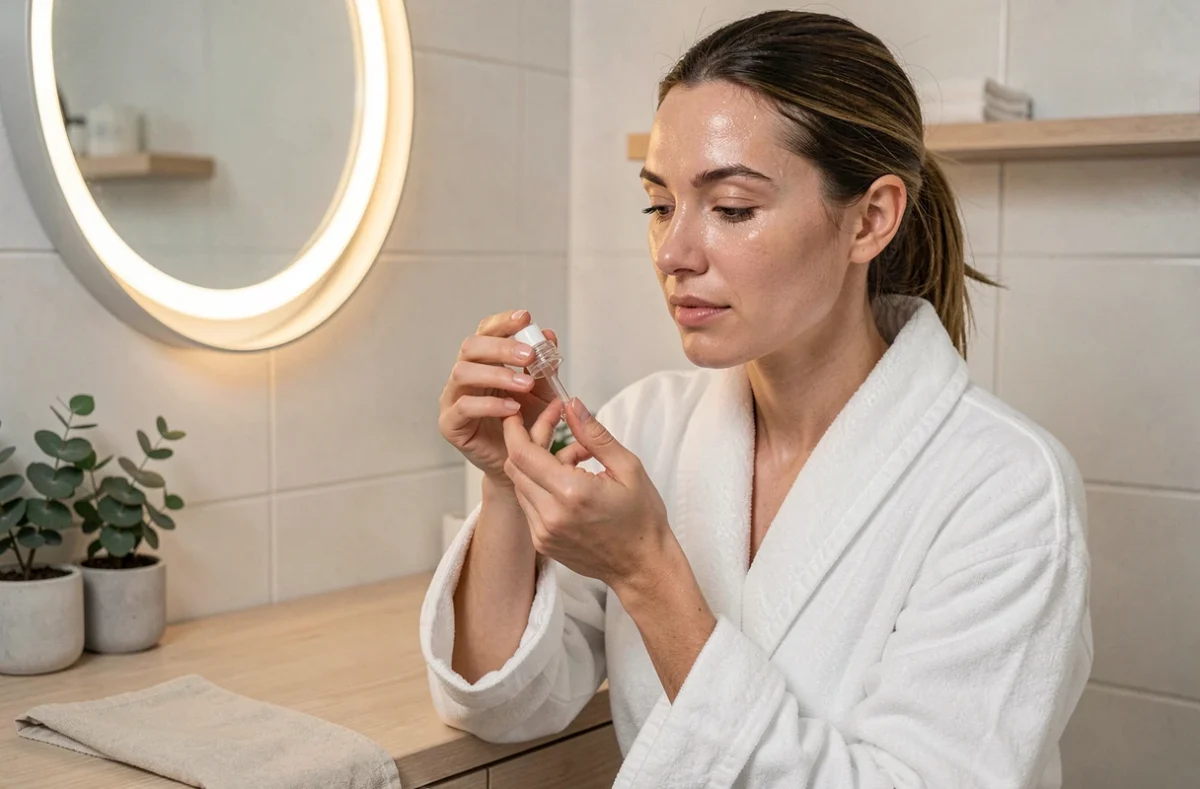
European regulatory reformulations, the rise of fermented actives, and the evolution of textures without synthetic polymers are reshaping beauty routines well beyond the usual marketing discourse. Here, we analyze beauty trends that deserve a place in your daily routine, focusing on what truly changes product formulations and their effectiveness on the skin.
Microplastics restriction: what European regulation changes for your skincare
The Regulation (EU) 2023/2055 imposes a strict reformulation timeline on cosmetic manufacturers. Intentionally added synthetic polymer particles are gradually being banned, with deadlines staggered according to category.
- Rinsed products (cleansers, shampoos, scrubs) must be reformulated without microplastics by October 17, 2027.
- Leave-on products, including those containing fragrance capsules, have until October 17, 2029, to comply.
- Makeup products, including lip and nail products, have the longest deadline, set for 2035.
In practice, this means that ultra-smooth textures achieved through polymers will gradually disappear from formulas. Brands are turning to alternatives based on plant-derived elastomeric silicones or natural waxes to maintain a pleasant feel without resorting to microplastics.
To enhance your daily routine, we recommend checking the INCI list of your rinsed products now. Plastic microbead scrubs are the first to be affected, and their replacements (kernel powder, cellulose) offer comparable exfoliation without regulatory compromise.
This regulatory context also encourages visiting the Espace Beauté website to identify ranges already compliant with the new European requirements, rather than waiting for last-minute reformulations.
Fermented actives and probiotics: reformulating skincare routines through the microbiome
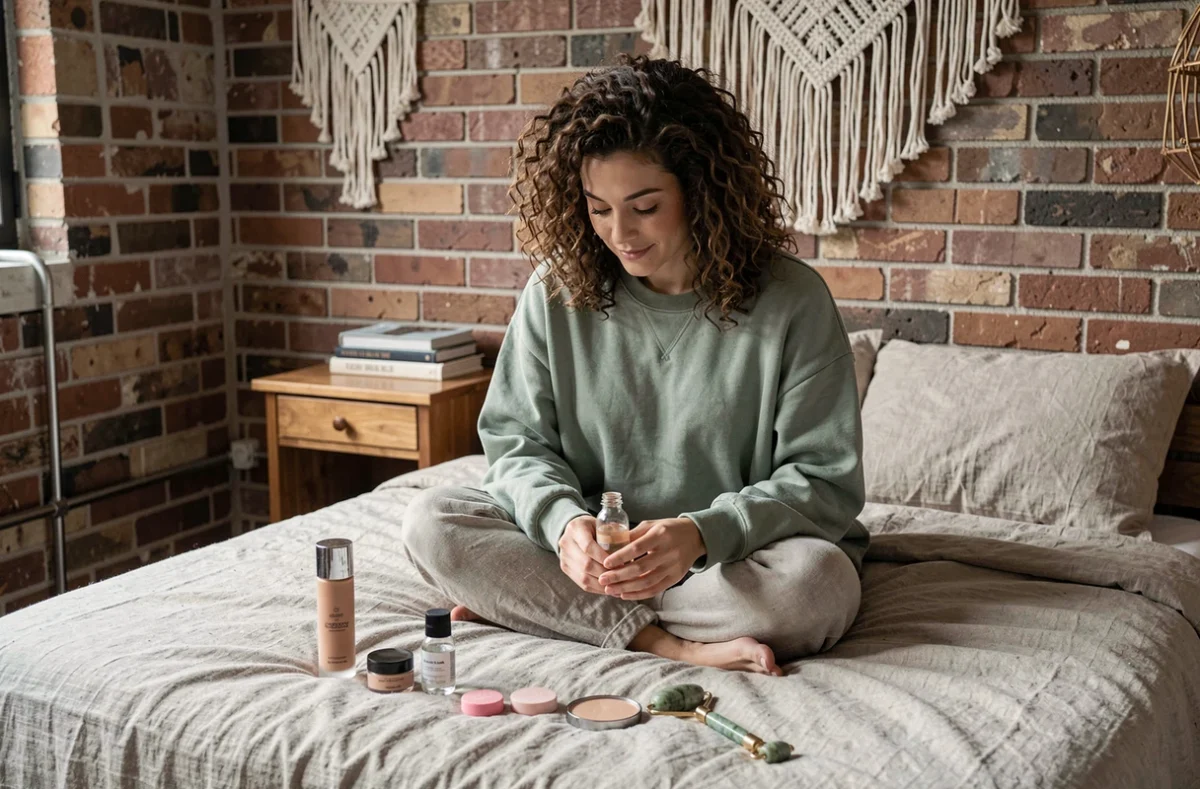
Fermented actives change the bioavailability of active ingredients, not just their origin. Fermentation breaks down molecules into peptides and amino acids of lower molecular weight, facilitating their skin penetration. A fermented rice extract is not comparable to a conventional rice extract: the biochemical matrix is different.
We observe that skincare products based on fermentation filtrates (saccharomyces, lactobacillus) are gaining ground in facial routines, but their interest lies in regulating the skin microbiome. Topical probiotics do not strictly colonize the skin. They provide metabolites (lactic acid, bacteriocins) that strengthen the skin barrier and limit the proliferation of pathogenic strains.
Which products to prioritize
A serum based on lactobacillus lysates, applied before moisturizer, is the most relevant addition for reactive or redness-prone skin. Korean fermented essences operate on the same principle, with a more watery texture suitable for combination skin.
The trap to avoid: multiplying fermented actives in the same routine. One fermented product per routine is sufficient for a measurable benefit on barrier function. Stacking fermented serum, essence, and cream saturates the microbiome without additional gain.
Circadian beauty: adapting actives to the skin’s biological rhythm
Cutaneous chronobiology is not a recent marketing concept, but its application to daily skincare is becoming clearer. The skin does not behave the same way at 8 AM and at 11 PM. Insensible water loss increases at night, cellular mitosis accelerates after midnight, and sebum production peaks in the middle of the day.
Translating this data into a concrete routine requires different formulation choices for morning and evening. In the morning, antioxidants (vitamin C, ferulic acid) protect against daytime oxidative stress. In the evening, keratolytic actives (retinol, fruit acids) take advantage of nighttime cellular renewal.
Day cream and night cream: the distinction becomes technical
Using the same cream morning and night ignores skin biology. Day formulas incorporate UV filters and mattifying agents. Night formulas prioritize richer emollients and repairing peptides. The beauty trend of 2026 pushes this logic further with products calibrated for specific time slots, not just day/night.
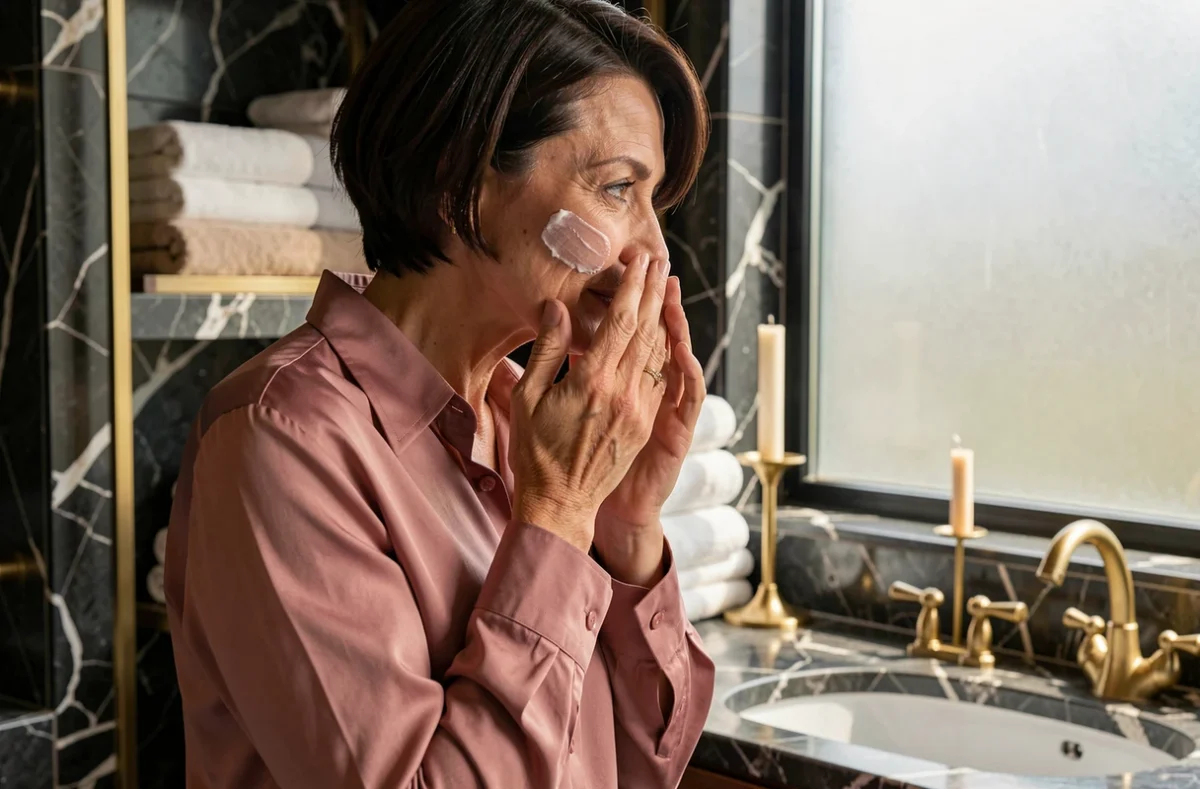
Some brands offer “pre-sleep” serums to be applied between 9 PM and 11 PM, formulated to accompany the melatonin peak and optimize the penetration of retinoids. Effectiveness remains conditioned by the regularity of the sleep rhythm.
Makeup without microplastics: textures and pigments in transition
Makeup is the last segment affected by the European restriction, with a deadline set for 2035. Manufacturers are anticipating, however, as consumers attentive to formulations are already reading labels. Classic cosmetic glitter (polyethylene terephthalate) is being replaced by glitter made from regenerated cellulose or synthetic mica.
The impact on the makeup routine is direct. Foundations are gradually losing their ultra-smooth “Instagram filter” finish in favor of more natural, slightly satin textures. Reformulated lipsticks are swapping synthetic microcrystalline waxes for plant-based waxes (candelilla, sunflower) that alter wear and comfort.
What this changes for the choice of lip and face products
Hybrid skincare-makeup products make perfect sense here. A foundation enriched with hyaluronic acid or niacinamide compensates for the loss of glide due to the absence of polymers. Hybrid formulas replace plastic performance with active performance.
For lips, tinted balms made from plant butters offer a compromise between color and hydration that better fits the new formulation constraints. Ultra-matte lip inks, highly dependent on synthetic film formers, will gradually evolve towards softer finishes.
The daily beauty routine of 2026 is built less around marketing promises than around regulatory constraints and biological data. Reformulations imposed by the microplastics restriction, combined with a better understanding of the microbiome and cutaneous chronobiology, are steering product choices towards more targeted and technically justified formulas. It is better to have three well-calibrated products than a shelf full of soon-to-be-obsolete items.