A cat scratching its ear frantically at three in the morning, a litter box that smells bad despite a recent cleaning, kibble ignored for two days: taking care of your cat on a daily basis starts with addressing these concrete situations before they escalate. Maintaining a feline is not just about filling a bowl and emptying a litter box. Every daily action has a direct impact on its health and behavior.
Indoor Cat Nutrition: Weighing Portions Makes a Difference
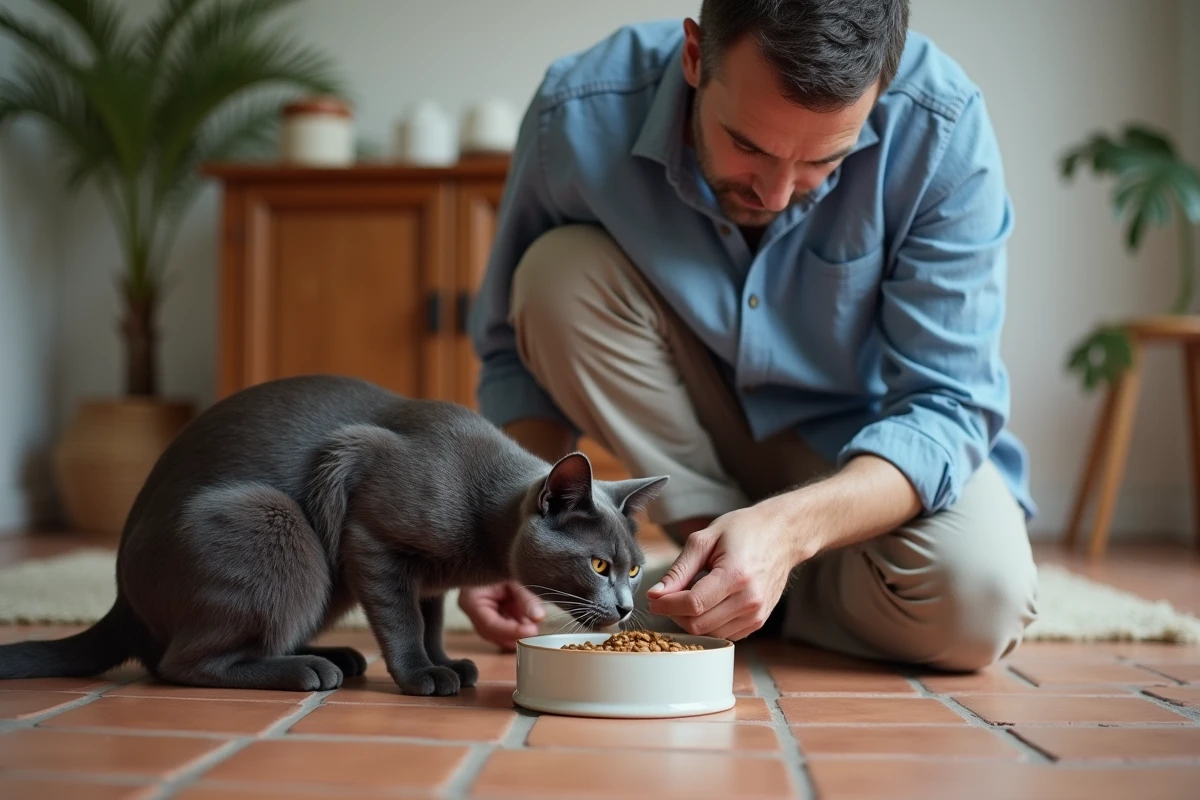
It is often believed that a cat can regulate itself in front of a full bowl. Opinions vary on this point, but recent guidelines from the AAHA and AAFP highlight a concerning rise in feline obesity among indoor cats. Their recommendation is clear: weighed portions rather than free feeding for the majority of cats.
The principle is based on the cat’s natural behavior. In the wild, a cat hunts small prey throughout the day. This rhythm can be replicated by dividing the daily ration into several small meals spread throughout the day, rather than one big filling in the morning and evening.
For less active cats, food puzzles are a concrete lever. These interactive feeders require the cat to manipulate, push, or scratch to get its food. This slows down ingestion and stimulates its physical and mental activity. Simple models can be made with a cardboard tube with holes, requiring no expense.
To delve deeper into the specific needs based on your pet’s breed or age, you can consult the La Maison des Animaux website for cats, which details dietary specifics and appropriate care.
Olfactory Enrichment and Stress in Apartment Cats
A cat that lives exclusively indoors lacks sensory stimulation. The consequences are visible: excessive grooming leading to alopecia, urination outside the litter box, nighttime restlessness. Play is often thought of as a solution, but olfactory enrichment has been documented to reduce stress-related behaviors.
In practice, this involves regularly introducing new and safe scents into the cat’s environment. Fresh herbs (valerian, catnip), a piece of wood collected from the forest, a textile worn by an unfamiliar person: these stimuli activate the cat’s exploratory behavior and break the monotony of the apartment.
This can be combined with a rotation of toys. Instead of leaving all toys out permanently, half can be removed and reintroduced two weeks later. For the cat, it’s something new each time.
The Litter Box as a Health Indicator
The litter box is an underestimated monitoring tool. A cat that urinates outside the box is not being capricious. This behavior signals environmental stress or a urinary problem that requires a visit to the veterinarian.
- Provide at least one litter box per cat, plus one additional box if space allows, placed in quiet and separate areas
- Clean waste daily and change all the litter weekly to avoid refusal to use it
- Observe the frequency and color of urine: any sudden change warrants a quick consultation
Coat Care and Early Detection of Skin Problems
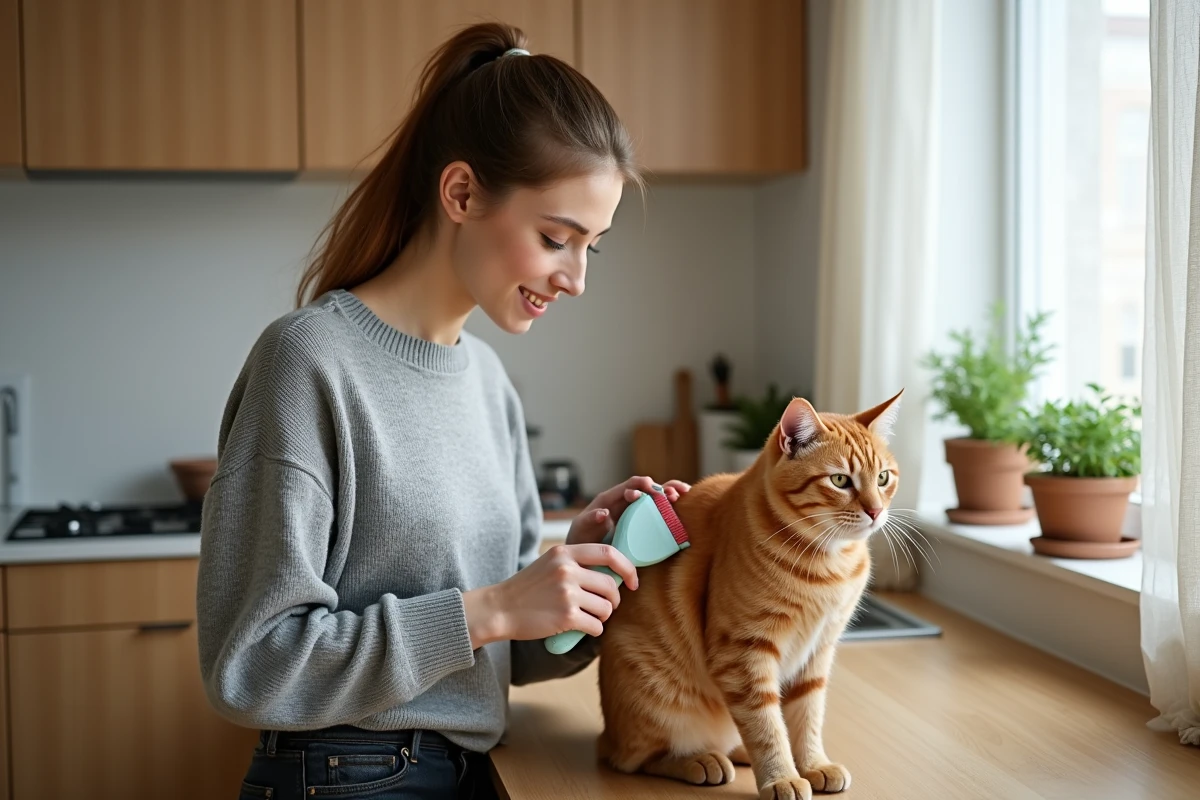
Regular brushing of the coat is not just for aesthetics. It is an inspection session. When brushing a cat, you run your fingers over its skin, detecting parasites (fleas, ticks), scabs, inflamed areas, or unusual lumps. A weekly brushing replaces weeks of neglect.
For a short-haired cat, one session per week is sufficient. Long-haired breeds require brushing every two days to prevent tangles, which can pull on the skin and cause irritation.
Nails and Teeth: Two Often Neglected Areas
Indoor cats’ claws wear down less than those of outdoor cats. Without an appropriate scratching post, the cat resorts to the sofa or door frames. Installing a stable vertical scratching post (that doesn’t tip over when the cat stretches) near its resting place resolves most cases of unwanted scratching.
As for teeth, tartar accumulates gradually and can lead to painful gingivitis. Checking the cat’s gums once a month allows for spotting redness or unusual bad breath before the situation worsens.
Mandatory Identification and Legal Status of Cats in France
Since the ordinance of January 16, 2015, cats are recognized in French law as living beings endowed with sensitivity in the Civil Code. This is not just a symbol: this qualification changes the owner’s obligations regarding care.
Identification by microchip is mandatory for all domestic cats in France. Without this chip, a found cat cannot be returned to its owner, and the transfer of an unidentifiable cat is illegal.
- Have your cat identified by a veterinarian before any transfer or donation
- Update your contact information in the national I-CAD database in case of a move or change of number
- Keep the identification certificate, which serves as proof of ownership in case of dispute
A cat that escapes without a microchip has very little chance of being found. This is the first safety measure, well before a collar with a tag (which many cats lose within days).
Taking care of a cat daily relies on simple yet regular actions: weighing its portions, varying its stimuli, inspecting its coat and litter, keeping its identification up to date. The consistency of these habits matters more than their complexity. A cat whose environment is stable and stimulating develops fewer health and behavioral problems in the long term.