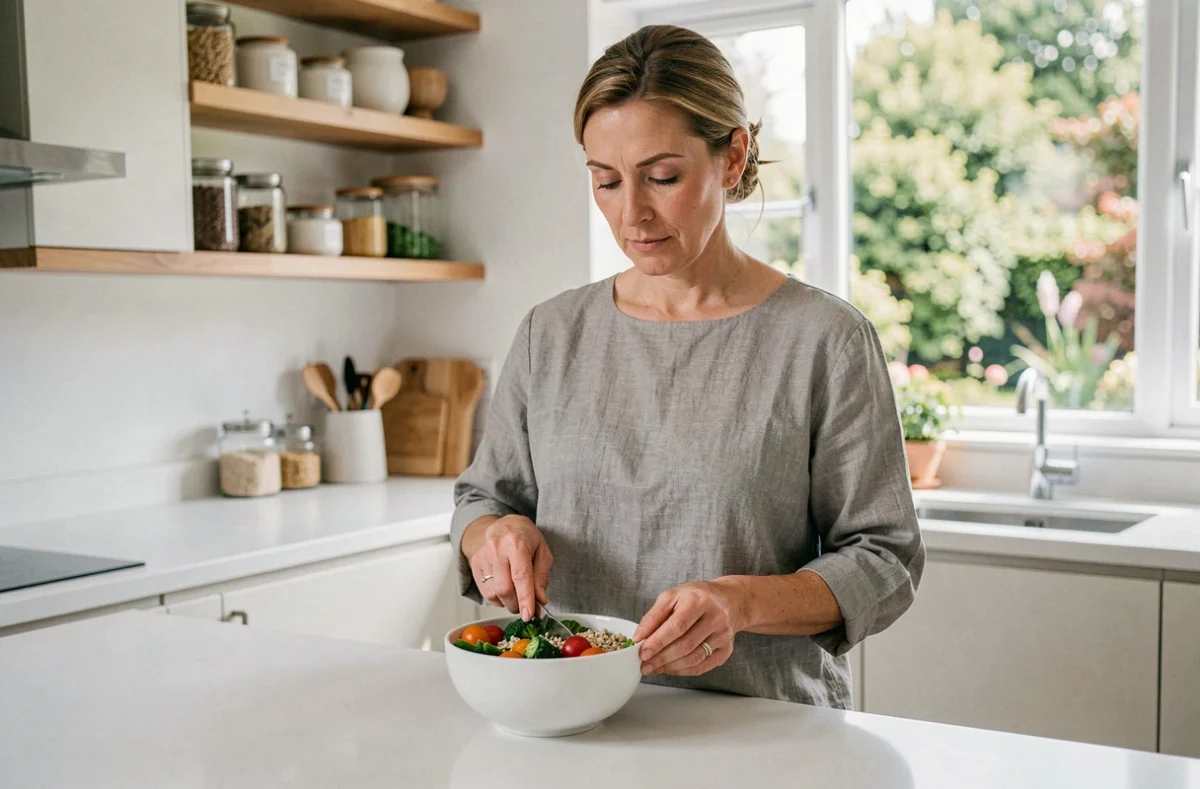
Back pain after a day at the office, lingering fatigue despite eight hours of sleep, unusual irritability at the end of the week: these signals from the body often go unnoticed. Everyday health depends on mechanisms we can learn to recognize and then adjust.
Data from Santé publique France’s 2021 Barometer also show that well-being does not depend solely on individual willpower: factors such as unemployment, single parenthood and social isolation weigh heavily on the likelihood of depressive episodes, particularly among women.
Social factors and mental health: how living conditions really make a difference
When we talk about protecting our health, we tend to think first about diet or exercise. Analyses by Santé publique France remind us that living conditions directly affect mental health. Financial strain, loss of professional direction and social withdrawal: these mechanisms, described in research on unemployment and stigma, can lead to rumination, lower self-esteem and, sometimes, a full-blown depressive episode.
Recognizing these links helps us move away from a blame-based approach. Someone struggling financially who is sleeping poorly does not simply need advice about an evening herbal tea. They need appropriate support—sometimes social assistance, psychological support or help from a community organization. Reliable resources are available to help you find your way: the Santé Info website brings together verified information to help you identify the right people to contact for your situation.
Santé publique France also describes a label designed to recognize the quality of remote health support services, covering mental health, addiction and young people’s health. Access to reliable remote support is a practical way to prevent health problems.

Psychosocial skills: learning to manage emotions to protect your health
Have you ever noticed that the same stressful event—a conflict at work or an unexpected family situation—can leave you feeling overwhelmed one day and calm the next? The difference often comes down to what Santé publique France and the Regional Health Agency of Réunion call psychosocial skills: the ability to identify your emotions, communicate under pressure and make decisions despite uncertainty.
These skills are not innate. They develop in many settings: at home, at school, during leisure activities and in support services. The Regional Health Agency of Réunion has launched a coordinated initiative to strengthen them from childhood, showing that well-being can be learned, just like reading or swimming.
Three practical ways to strengthen these skills
- Name the emotion before reacting. Saying “I’m angry because I feel ignored” rather than snapping back reduces the emotional intensity and creates space for dialogue.
- Practice making deliberate choices about small everyday decisions—meals or evening plans, for example—to build decision-making skills for when the stakes are higher.
- Find a group setting—a workshop, discussion group or community activity—where you can practice listening and expressing yourself instead of dealing with everything alone.
These small adjustments require neither a budget nor equipment. Public health prevention programs have documented their cumulative effects on sleep, stress management and interpersonal relationships.
Screens and children’s well-being: an essential part of everyday health
Santé publique France has published a recent report on screens and young people’s health. The issue goes beyond simply asking how much “screen time” children get. What matters is how screens are used, what content children view and whether an adult is present.
A child who watches a documentary with a parent and talks about it afterward has a very different experience from a child watching endless videos alone. Prevention is not about setting a timer, but about creating a family digital environment where screens remain a tool rather than an automatic refuge from boredom or anxiety.
Practical tips for families
- Set screen-free areas and times—such as the dining table and bedroom—rather than imposing a rigid daily limit that is hard to maintain.
- Offer a specific alternative before taking away a screen: a board game, an outing or a hands-on activity. Taking away a screen without offering anything else causes frustration, not well-being.
- Talk regularly about what your child sees online. Conversation is more valuable than technical parental controls, although the two can complement each other.
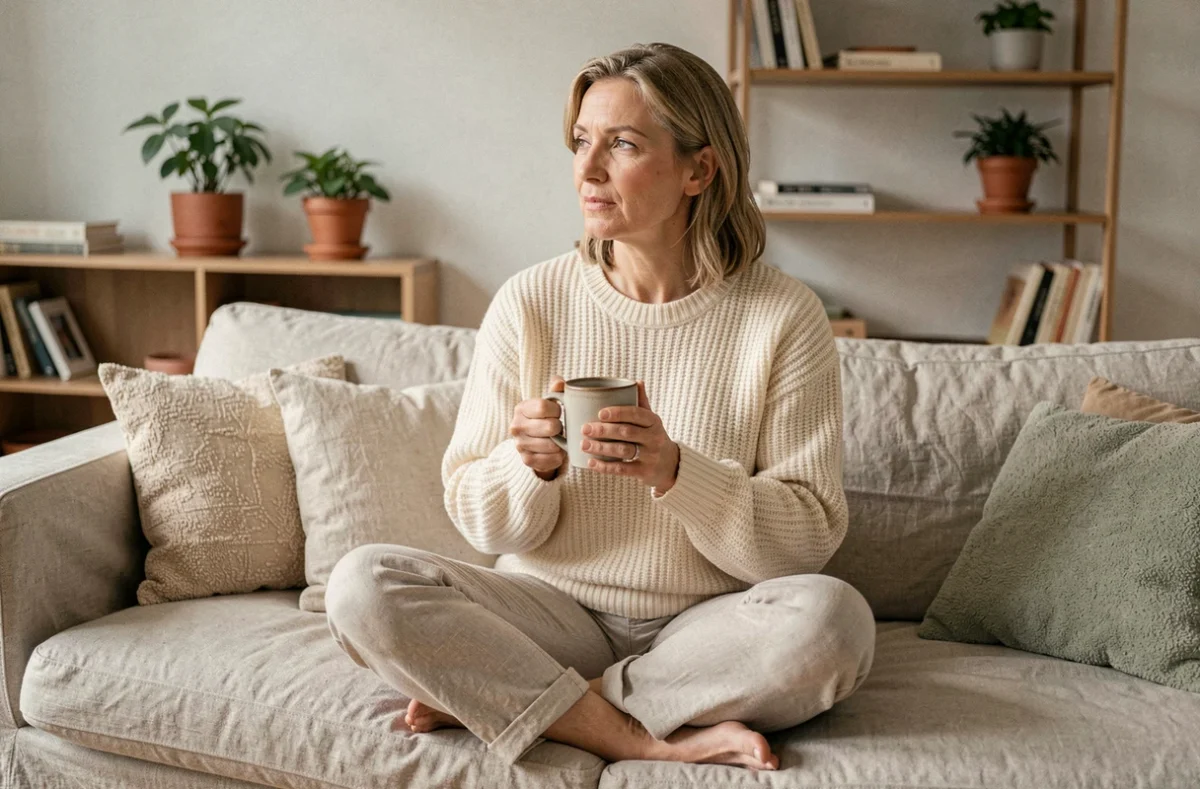
Diet, sleep and physical activity: revisiting the classic pillars
These three pillars are well known, and their effectiveness is not in question. The challenge is putting them into practice amid the demands of everyday life.
A single parent working irregular hours cannot “simply” cook fresh vegetables every evening. Adapting health advice to real-life constraints is the only way to make it useful. Preparing two meals on Sunday for the week, or walking for fifteen minutes during a lunch break instead of aiming for an hour of exercise that never fits into the schedule: these small adjustments are easier to sustain over time.
Sleep follows the same principle. Rather than setting a theoretical goal of eight hours, identify what is disrupting your ability to fall asleep—late-night screen use, coffee after 3 p.m. or work-related rumination—and make targeted changes. Improving just one sleep habit often has a knock-on effect on mood, concentration and appetite.
Everyday health is not a checklist of good intentions. It is a shifting balance between what your body is telling you, what your environment allows and the resources you can access. Noticing the signals, understanding that living conditions matter as much as individual choices, and adjusting one thing at a time: that is already a practical way to support your well-being.